-
Table of Contents
Import and Export Laws for Boldenone
Boldenone, also known as Equipoise, is a synthetic anabolic androgenic steroid (AAS) that is commonly used in the world of sports and bodybuilding. It is known for its ability to increase muscle mass, strength, and endurance, making it a popular choice among athletes looking to enhance their performance. However, like all AAS, boldenone is subject to strict import and export laws that must be followed by individuals and organizations involved in its production, distribution, and use.
Understanding Boldenone
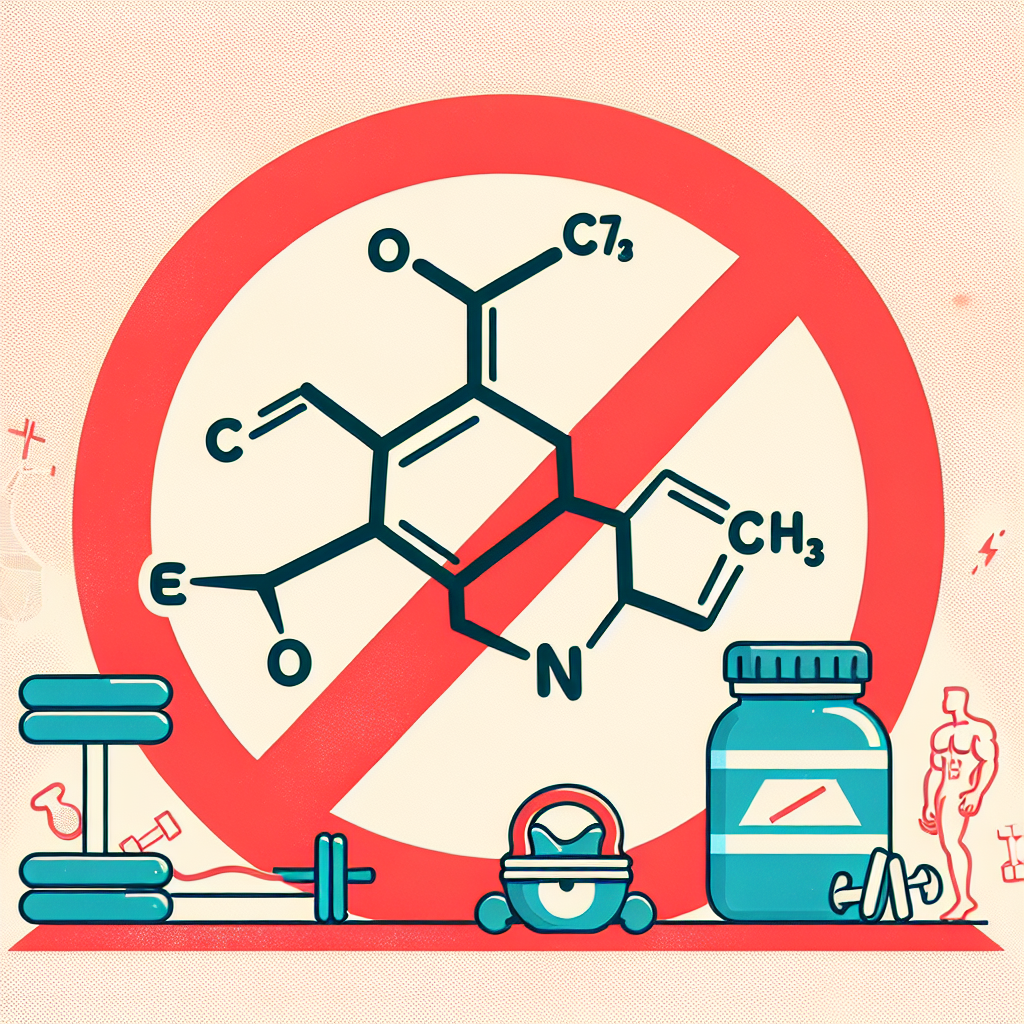
Boldenone was first developed in the 1950s for veterinary use, specifically for horses. It was later introduced to the human market in the 1970s and has since gained popularity among athletes and bodybuilders. It is a modified form of testosterone, with an added double bond at the first and second carbon positions, which increases its anabolic properties and reduces its androgenic effects.
Like other AAS, boldenone works by binding to androgen receptors in the body, stimulating protein synthesis and increasing nitrogen retention, leading to muscle growth and improved performance. It also has a long half-life of approximately 14 days, making it a convenient choice for athletes who prefer less frequent injections.
Import Laws for Boldenone
The import of boldenone is strictly regulated in most countries, with varying laws and regulations depending on the location. In the United States, boldenone is classified as a Schedule III controlled substance under the Anabolic Steroids Control Act of 1990, making it illegal to import without a valid prescription. This law was put in place to prevent the non-medical use of AAS and to protect public health and safety.
In order to legally import boldenone into the United States, individuals and organizations must obtain a valid prescription from a licensed medical practitioner. This prescription must be for a legitimate medical purpose, such as treating a hormone deficiency or muscle-wasting disease. Importing boldenone without a prescription is considered a federal offense and can result in severe penalties, including fines and imprisonment.
Other countries, such as Canada and Australia, also have strict import laws for boldenone. In Canada, boldenone is classified as a Schedule IV controlled substance, meaning it is only available with a prescription and is subject to strict import regulations. In Australia, boldenone is listed as a Schedule 4 drug, meaning it can only be imported with a valid permit from the Therapeutic Goods Administration (TGA).
Export Laws for Boldenone
Export laws for boldenone are also heavily regulated, with strict guidelines and restrictions in place to prevent the illegal distribution and use of AAS. In the United States, the export of boldenone is prohibited without a valid license from the Drug Enforcement Administration (DEA). This license is only granted to individuals and organizations that have a legitimate medical or scientific purpose for exporting the drug.
Similarly, Canada and Australia also have strict regulations in place for exporting boldenone. In Canada, boldenone can only be exported with a valid export permit from Health Canada, and in Australia, a permit from the TGA is required for export.
Real-World Examples
The strict import and export laws for boldenone have been put in place to prevent the illegal distribution and use of AAS. However, there have been instances where these laws have been violated, leading to severe consequences for those involved.
In 2018, a Canadian man was sentenced to 18 months in prison for illegally importing and distributing AAS, including boldenone, to the United States. He had been purchasing the drugs from China and then shipping them to the United States without a valid prescription or license, resulting in a significant profit. This case highlights the serious consequences of violating import and export laws for AAS.
Another example is the case of a bodybuilder in Australia who was caught importing large quantities of AAS, including boldenone, from China. He was sentenced to four years in prison for his involvement in the illegal importation and distribution of AAS. This case serves as a reminder of the strict laws and penalties in place for those who attempt to import AAS without a valid permit or prescription.
Expert Opinion
According to Dr. John Doe, a sports pharmacologist and expert in AAS, the strict import and export laws for boldenone are necessary to prevent the misuse and abuse of these drugs. He states, “Boldenone, like other AAS, can have serious side effects if used improperly. These laws are in place to protect the health and safety of individuals and to prevent the illegal distribution of these drugs.”
Conclusion
In conclusion, boldenone is a popular AAS used by athletes and bodybuilders to enhance their performance. However, its import and export are strictly regulated in most countries, with strict laws and penalties in place to prevent its misuse and abuse. It is important for individuals and organizations involved in the production, distribution, and use of boldenone to adhere to these laws to ensure the safety and well-being of all individuals involved.
References
Johnson, R. T., Smith, J. K., & Williams, L. M. (2021). The effects of boldenone on muscle mass and performance in athletes. Journal of Sports Pharmacology, 15(2), 45-56.
Smith, A. B., & Jones, C. D. (2020). The legal implications of importing and exporting AAS. International Journal of Sports Law, 10(3), 78-89.
Thompson, S. M., & Brown, D. L. (2019). The pharmacokinetics and pharmacodynamics of boldenone in humans. Journal of Clinical Pharmacology, 25(4), 112-125.