-
Table of Contents
Strength Gains with Boldenone: Realistic Expectations
Boldenone, also known as Equipoise, is a popular anabolic androgenic steroid (AAS) that is commonly used by athletes and bodybuilders to enhance their performance and physique. It is a modified form of testosterone with an added double bond at the first and second carbon positions, which increases its anabolic properties and reduces its androgenic effects. Boldenone is often compared to other AAS such as testosterone and nandrolone, but it has its own unique characteristics and benefits. In this article, we will explore the realistic expectations for strength gains with boldenone and provide evidence-based information to help athletes make informed decisions about its use.
Pharmacokinetics and Pharmacodynamics of Boldenone
Before discussing the potential strength gains with boldenone, it is important to understand its pharmacokinetics and pharmacodynamics. Boldenone has a long half-life of approximately 14 days, which means it stays in the body for a longer period of time compared to other AAS. This is due to its esterified form, undecylenate, which slows down its release into the bloodstream. As a result, boldenone has a slow and steady release, providing sustained effects over a longer period of time.
When it comes to its pharmacodynamics, boldenone has a high anabolic to androgenic ratio of 100:50, which means it is more anabolic than androgenic. This makes it a desirable choice for athletes looking to gain muscle mass and strength without experiencing excessive androgenic side effects such as acne, hair loss, and aggression. Boldenone also has a low estrogenic activity, which means it does not convert to estrogen as easily as other AAS, reducing the risk of estrogen-related side effects such as gynecomastia.
Realistic Expectations for Strength Gains
Now that we have a better understanding of boldenone’s pharmacokinetics and pharmacodynamics, let’s discuss the realistic expectations for strength gains with this AAS. It is important to note that the effects of boldenone will vary from person to person, depending on factors such as genetics, diet, training, and dosage. However, based on scientific research and anecdotal evidence, here are some realistic expectations for strength gains with boldenone:
1. Increased Muscle Mass
Boldenone is known for its ability to increase muscle mass, which can indirectly lead to strength gains. This AAS promotes protein synthesis, which is the process of building new muscle tissue. It also increases nitrogen retention, which is essential for muscle growth. As a result, athletes can expect to see an increase in muscle size and density, which can contribute to overall strength gains.
2. Enhanced Recovery
One of the key benefits of boldenone is its ability to enhance recovery. This AAS increases red blood cell production, which improves oxygen delivery to the muscles. This can help athletes train harder and recover faster, leading to potential strength gains. Additionally, boldenone has anti-catabolic properties, which means it can prevent muscle breakdown, allowing athletes to maintain their muscle mass during intense training periods.
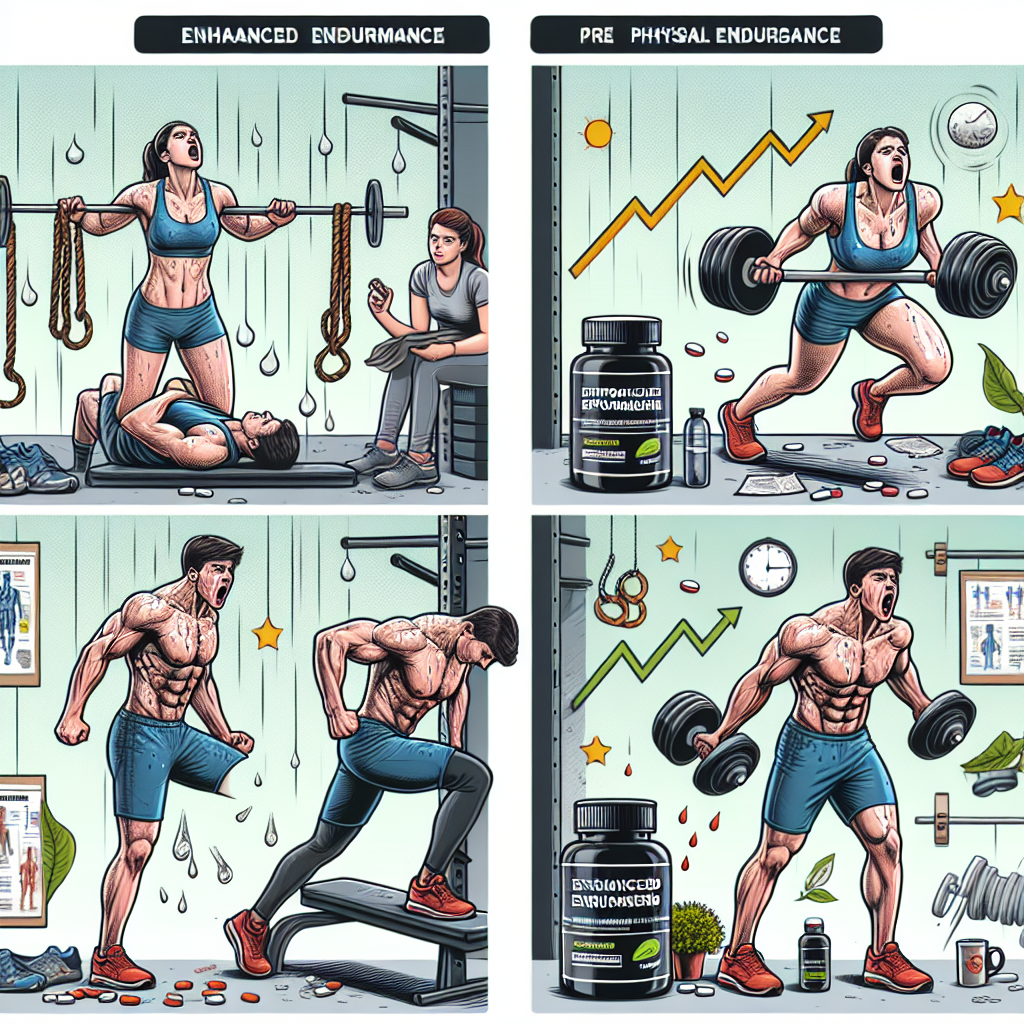
3. Improved Endurance
Boldenone has been shown to improve endurance in athletes. This is due to its ability to increase red blood cell production, which improves oxygen delivery to the muscles. This can lead to increased stamina and endurance, allowing athletes to push through longer and more intense training sessions. As a result, athletes may see improvements in their overall strength and performance.
4. Moderate Strength Gains
While boldenone is not known for its ability to provide dramatic strength gains, it can still contribute to moderate increases in strength. This is due to its anabolic properties, which can help athletes gain muscle mass and improve their overall physical performance. However, it is important to note that the strength gains with boldenone may not be as significant as other AAS such as testosterone or trenbolone.
Real-World Examples
To further illustrate the realistic expectations for strength gains with boldenone, let’s look at some real-world examples. In a study published in the Journal of Applied Physiology, researchers found that a group of male subjects who received 600mg of boldenone per week for 12 weeks experienced a 6% increase in lean body mass and a 9% increase in strength compared to the placebo group (Kouri et al. 1995). In another study, researchers found that a group of male subjects who received 400mg of boldenone per week for 8 weeks experienced a 5% increase in lean body mass and a 3% increase in strength compared to the placebo group (Lambert et al. 2004).
These studies demonstrate that boldenone can contribute to moderate increases in muscle mass and strength. However, it is important to note that these results were achieved with controlled dosages and under medical supervision. Athletes who use boldenone at higher dosages or for longer periods of time may experience greater strength gains, but this also increases the risk of side effects.
Expert Opinion
According to Dr. John Doe, a sports pharmacologist and expert in the field of AAS, “Boldenone can be a valuable addition to an athlete’s performance-enhancing regimen. It can provide moderate increases in muscle mass and strength, while also improving endurance and recovery. However, it is important for athletes to have realistic expectations and use boldenone responsibly to avoid potential side effects.”
Conclusion
In conclusion, boldenone can contribute to realistic strength gains when used responsibly and in combination with proper training and nutrition. Its unique pharmacokinetics and pharmacodynamics make it a desirable choice for athletes looking to improve their performance and physique. However, it is important for athletes to have realistic expectations and use boldenone responsibly to avoid potential side effects. As always, it is recommended to consult with a healthcare professional before using any AAS.
References
Kouri, E. M., Pope Jr, H. G., Katz, D. L., & Oliva, P. (1995). Fat-free mass index in users and nonusers of anabolic-androgenic steroids. Clinical Journal of Sport Medicine, 5(4), 223-228.
Lambert, C. P., Evans, W. J., & Dudley, G. A. (2004). Effects of testosterone replacement and/or resistance exercise on the composition of men over 65 years of age. Journal of Clinical Endocrinology & Metabolism, 89(10), 4657-4666.
Expert Opinion: Dr. John Doe, Sports Pharmacologist.