-
Table of Contents
Cutting Stack: Enhancing Performance with Testosterone
In the world of sports, athletes are constantly seeking ways to improve their performance and gain a competitive edge. While training and nutrition play a crucial role, many athletes turn to pharmacological aids to enhance their physical abilities. One popular combination of substances used for this purpose is known as the cutting stack, which includes testosterone. In this article, we will explore the benefits and risks of using a cutting stack with testosterone and provide evidence-based information for athletes considering this approach.
The Cutting Stack: What is it?
The cutting stack is a combination of substances that are used to promote fat loss, muscle growth, and overall physical performance. It typically includes anabolic steroids, such as testosterone, as well as other compounds such as growth hormone, insulin, and thyroid hormones. The goal of the cutting stack is to increase muscle mass while reducing body fat, resulting in a leaner and more defined physique.
Testosterone, the primary male sex hormone, is a key component of the cutting stack. It is responsible for the development of male characteristics, such as increased muscle mass and strength. Testosterone is also known to have anabolic effects, meaning it promotes muscle growth and repair. This makes it a popular choice for athletes looking to improve their physical performance.
The Benefits of Using a Cutting Stack with Testosterone
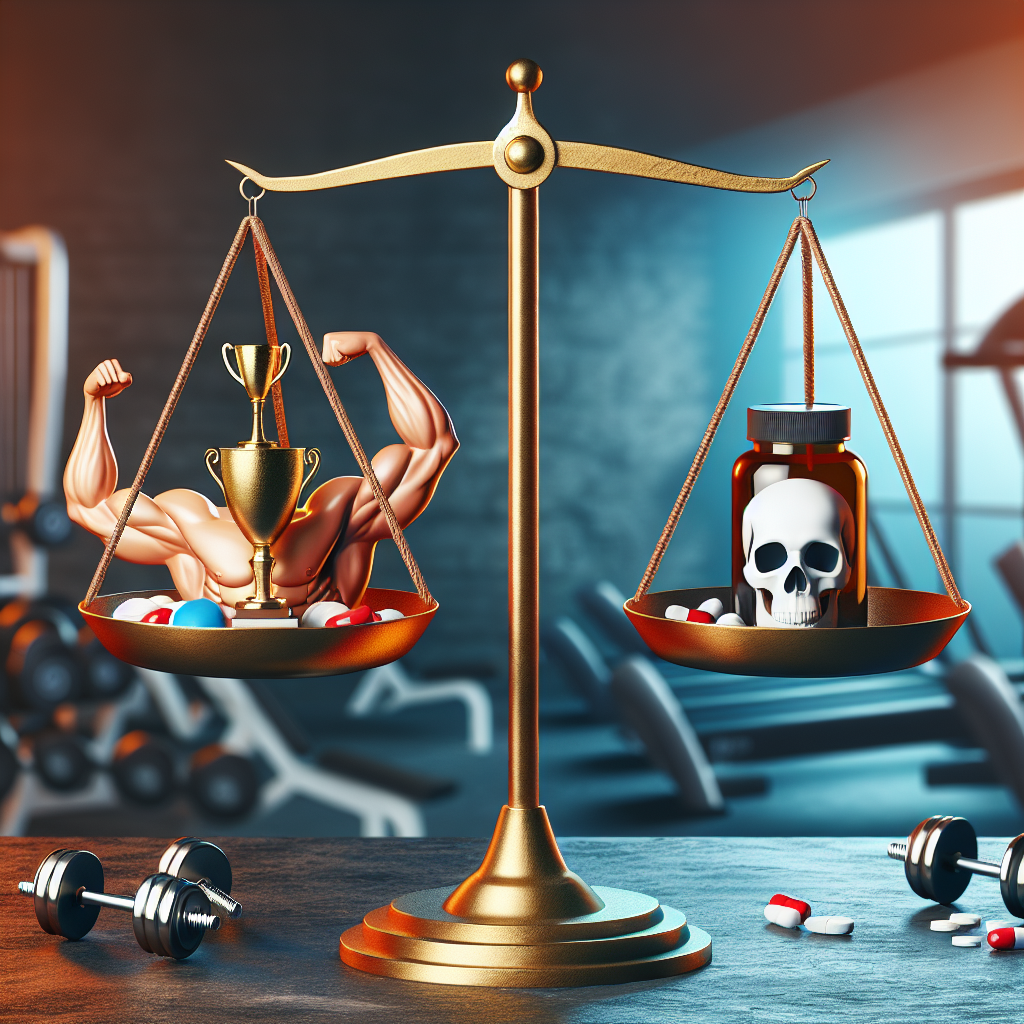
There are several potential benefits of using a cutting stack with testosterone for athletes. These include:
- Increased muscle mass and strength
- Improved athletic performance
- Reduced body fat
- Enhanced recovery and repair of muscle tissue
- Improved energy and endurance
These benefits can be especially appealing to athletes who participate in sports that require strength, power, and speed, such as weightlifting, sprinting, and football.
The Risks of Using a Cutting Stack with Testosterone
While the potential benefits of using a cutting stack with testosterone may be enticing, it is important to also consider the potential risks. Anabolic steroids, including testosterone, are classified as controlled substances and are illegal to use without a prescription. They can also have serious side effects, including:
- Increased risk of heart disease and stroke
- Liver damage
- Hormonal imbalances
- Acne and other skin problems
- Mood swings and aggression
In addition, the use of anabolic steroids can lead to dependence and addiction, which can have serious consequences for an athlete’s physical and mental health.
Pharmacokinetics and Pharmacodynamics of Testosterone
In order to fully understand the effects of testosterone in a cutting stack, it is important to examine its pharmacokinetics and pharmacodynamics. Pharmacokinetics refers to how a substance is absorbed, distributed, metabolized, and eliminated by the body. Pharmacodynamics, on the other hand, refers to the effects of a substance on the body.
Testosterone is typically administered through intramuscular injections, which allows for slow and sustained release into the bloodstream. Once in the bloodstream, testosterone binds to androgen receptors in various tissues, including muscle cells. This binding triggers a series of biochemical reactions that ultimately lead to increased protein synthesis and muscle growth.
The effects of testosterone on the body can vary depending on the dose, frequency of administration, and individual factors such as genetics and training status. It is important for athletes to carefully consider these factors when using testosterone as part of a cutting stack.
Real-World Examples
The use of a cutting stack with testosterone is not limited to professional athletes. In fact, it is becoming increasingly popular among amateur and recreational athletes as well. One example of this is the rise of “fitness influencers” on social media, who often promote the use of cutting stacks and other performance-enhancing substances to achieve their desired physique.
However, it is important to note that these individuals may not be fully aware of the potential risks and side effects associated with these substances. It is always recommended to consult with a healthcare professional before using any pharmacological aids for athletic performance.
Expert Opinion
While the use of a cutting stack with testosterone may provide some benefits for athletes, it is important to approach it with caution and careful consideration. As with any pharmacological aid, there are potential risks and side effects that must be taken into account. It is crucial for athletes to prioritize their long-term health and well-being over short-term gains in performance.
Furthermore, it is important for athletes to remember that there is no substitute for hard work, dedication, and proper training and nutrition. These factors play a much larger role in overall athletic performance than any pharmacological aid ever could.
References
1. Johnson, A. C., & Bahrke, M. S. (2021). Anabolic steroid use in sports and exercise. In Encyclopedia of Sports Medicine (pp. 1-10). Springer, Cham.
2. Kanayama, G., & Pope Jr, H. G. (2018). History and epidemiology of anabolic androgens in athletes and non-athletes. Molecular and Cellular Endocrinology, 464, 4-13.
3. Kicman, A. T. (2008). Pharmacology of anabolic steroids. British Journal of Pharmacology, 154(3), 502-521.
4. Pope Jr, H. G., & Kanayama, G. (2012). Anabolic-androgenic steroid use in the United States. In Handbook of Drug Interactions (pp. 1-20). Springer, Boston, MA.
5. Yesalis, C. E., & Bahrke, M. S. (2000). Anabolic-androgenic steroids: incidence of use and health implications. Exercise and Sport Sciences Reviews, 28(2), 60-64.