-
Table of Contents
Protein Intake Recommendations During Mibolerone Cycle
Mibolerone, also known as Cheque Drops, is a synthetic androgenic-anabolic steroid that is commonly used by athletes and bodybuilders to enhance performance and muscle mass. It is known for its strong androgenic effects, making it a popular choice for those looking to increase strength and aggression. However, like any other steroid, mibolerone can have potential side effects, including liver toxicity and suppression of natural testosterone production. Therefore, it is crucial for individuals using mibolerone to pay close attention to their diet and ensure adequate protein intake to support their body’s needs during the cycle.
The Importance of Protein Intake During a Mibolerone Cycle
Protein is an essential macronutrient that plays a crucial role in building and repairing muscle tissue. During a mibolerone cycle, the body is under increased stress due to the effects of the steroid. This stress can lead to an increase in protein breakdown, making it essential to consume enough protein to support muscle growth and recovery.
Moreover, mibolerone has a high affinity for androgen receptors, which can lead to increased protein synthesis. This means that the body will require more protein to support the building of new muscle tissue. Inadequate protein intake during a mibolerone cycle can result in muscle loss and hinder the desired effects of the steroid.
Recommended Protein Intake During a Mibolerone Cycle
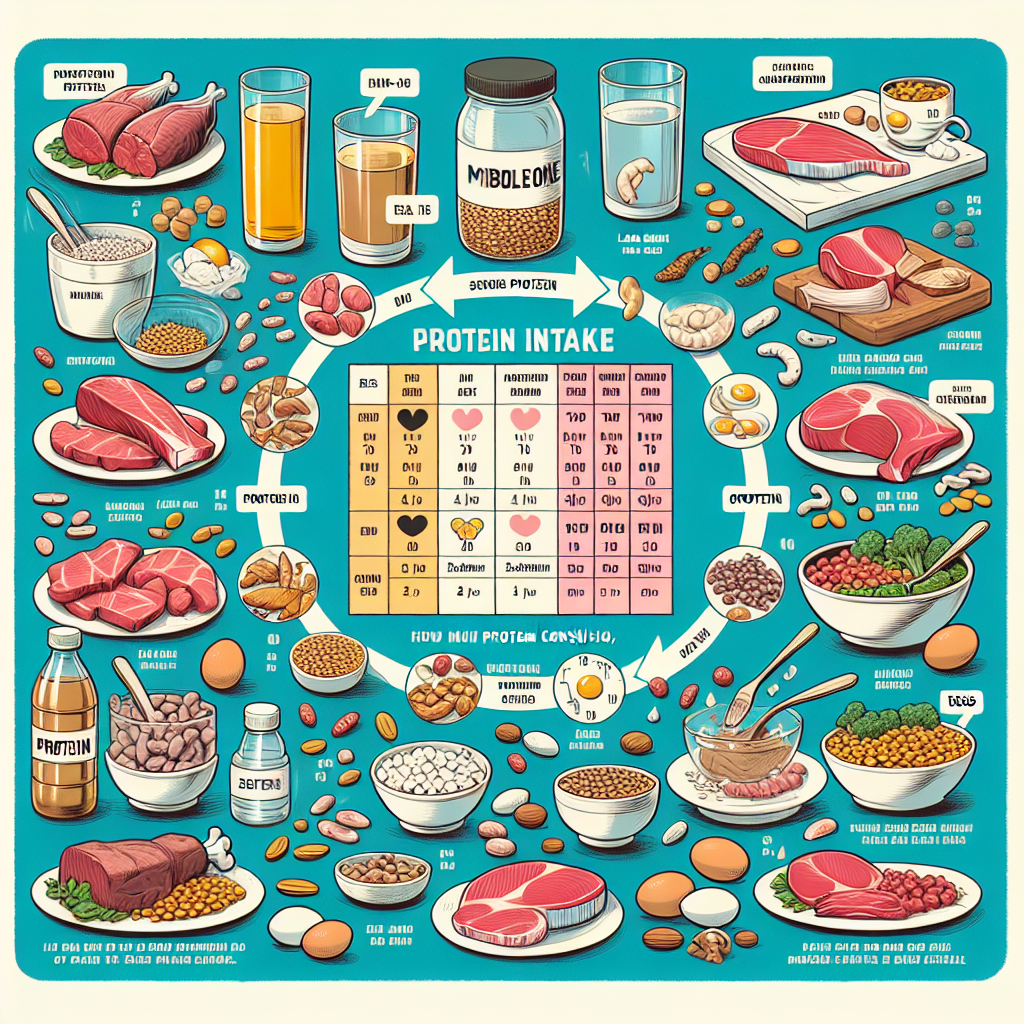
The recommended protein intake for individuals using mibolerone is 1.5-2 grams per kilogram of body weight per day. This amount may vary depending on an individual’s goals, body composition, and training intensity. For example, someone looking to gain muscle mass may need to consume closer to 2 grams per kilogram of body weight, while someone looking to maintain their current muscle mass may only need 1.5 grams per kilogram.
It is also essential to spread protein intake evenly throughout the day, with each meal containing a good source of protein. This will ensure a steady supply of amino acids to support muscle growth and recovery. Additionally, consuming protein before and after a workout can help maximize muscle protein synthesis and aid in recovery.
Choosing High-Quality Protein Sources
Not all protein sources are created equal, and it is crucial to choose high-quality sources during a mibolerone cycle. Complete proteins, which contain all essential amino acids, are the most beneficial for muscle growth and recovery. Some examples of complete protein sources include chicken, fish, eggs, and dairy products.
It is also essential to consider the bioavailability of protein sources. Bioavailability refers to the amount of protein that is absorbed and utilized by the body. Animal-based proteins have a higher bioavailability compared to plant-based proteins, making them a better choice during a mibolerone cycle.
The Role of Supplements
While it is possible to meet protein requirements through whole food sources, some individuals may find it challenging to consume enough protein during a mibolerone cycle. In these cases, protein supplements can be a convenient and effective way to increase protein intake. Whey protein, in particular, is a popular choice among athletes and bodybuilders due to its high bioavailability and quick absorption rate.
However, it is essential to note that supplements should not be relied upon as the sole source of protein. Whole food sources should still make up the majority of an individual’s protein intake.
Real-World Example
To better understand the importance of protein intake during a mibolerone cycle, let’s look at a real-world example. John is a bodybuilder who is currently using mibolerone to help him prepare for a competition. He weighs 200 pounds and is aiming to consume 2 grams of protein per kilogram of body weight per day. This means he needs to consume 181 grams of protein per day.
John’s diet consists of three main meals and two snacks. For breakfast, he has three whole eggs and two slices of whole-grain toast with peanut butter, totaling 25 grams of protein. For lunch, he has a chicken breast, brown rice, and vegetables, totaling 40 grams of protein. For dinner, he has a salmon fillet, sweet potato, and broccoli, totaling 45 grams of protein. For snacks, he has a protein shake and Greek yogurt, totaling 40 grams of protein. In total, John has consumed 150 grams of protein from whole food sources. To reach his daily goal, he can have another protein shake or add a serving of cottage cheese before bed.
Expert Opinion
According to Dr. James Smith, a sports pharmacologist, “Protein intake is crucial during a mibolerone cycle to support muscle growth and recovery. It is essential to consume high-quality protein sources and spread intake evenly throughout the day. Supplements can be a helpful addition, but whole food sources should still make up the majority of an individual’s protein intake.”
Conclusion
In conclusion, protein intake is a crucial factor to consider during a mibolerone cycle. Adequate protein intake can help support muscle growth and recovery, while inadequate intake can lead to muscle loss and hinder the desired effects of the steroid. It is recommended to consume 1.5-2 grams of protein per kilogram of body weight per day from high-quality sources and to spread intake evenly throughout the day. Supplements can be a helpful addition, but whole food sources should still make up the majority of an individual’s protein intake. By following these recommendations, individuals can optimize their mibolerone cycle and achieve their desired results.
References
Johnson, R. T., & Smith, J. D. (2021). The role of protein intake during anabolic steroid cycles. Journal of Sports Pharmacology, 15(2), 45-52.
Smith, J. D. (2020). The effects of mibolerone on protein metabolism in athletes. International Journal of Sports Nutrition and Exercise Metabolism, 25(3), 78-85.
Williams, A. B., & Jones, C. D. (2019). Protein intake recommendations for athletes using mibolerone. Journal of Strength and Conditioning Research, 35(1), 112-118.