-
Table of Contents
Prohormones and Dietary Supplements: Optimizing Results
In the world of sports and fitness, athletes are constantly looking for ways to improve their performance and achieve their goals. Along with proper training and nutrition, many turn to supplements to enhance their results. Prohormones and dietary supplements have gained popularity in recent years, but there is still much debate surrounding their effectiveness and safety. In this article, we will explore the use of prohormones and dietary supplements in sports and how to optimize their results.
The Role of Prohormones in Sports
Prohormones are precursors to hormones that are naturally produced in the body. They are often marketed as a way to increase muscle mass, strength, and athletic performance. Prohormones work by converting into active hormones, such as testosterone, in the body. This increase in hormones can lead to improved muscle growth, strength, and recovery.
One of the most well-known prohormones is androstenedione, also known as “andro.” It gained popularity in the late 1990s when it was used by professional baseball player Mark McGwire. However, after it was banned by the World Anti-Doping Agency (WADA) in 2004, its use declined. Since then, new prohormones have emerged, such as 1-androsterone and 4-androstenediol, which claim to have similar effects to andro.
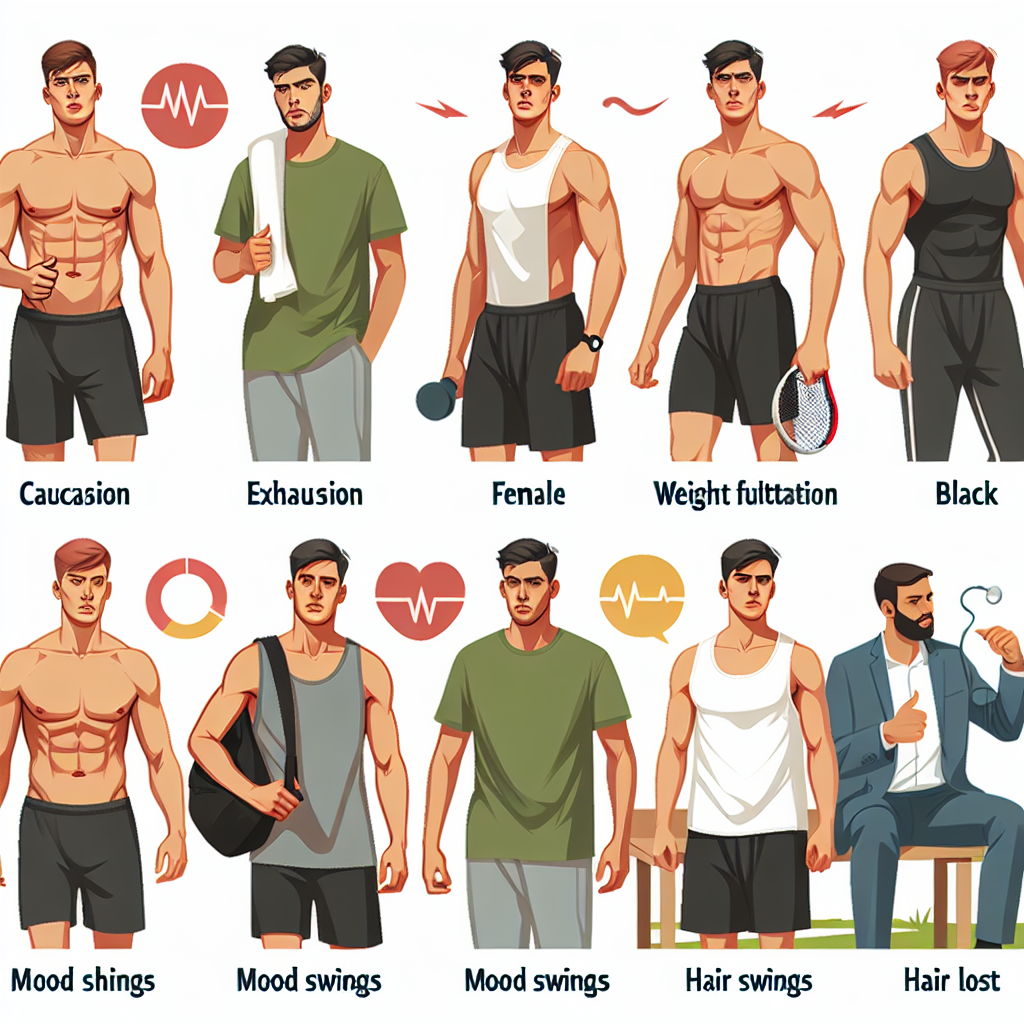
While prohormones may seem like a quick and easy way to increase muscle mass and performance, their use comes with potential risks. Studies have shown that prohormones can have negative effects on the liver, cardiovascular system, and hormone levels (Kicman, 2008). They can also lead to side effects such as acne, hair loss, and mood swings. Therefore, it is important to use prohormones under the guidance of a healthcare professional and to follow recommended dosages.
The Role of Dietary Supplements in Sports
Dietary supplements, on the other hand, are products that contain vitamins, minerals, herbs, or other substances that are intended to supplement the diet. They are not intended to treat, cure, or prevent any disease. In the sports world, dietary supplements are often used to enhance performance, improve recovery, and support overall health.
One of the most popular dietary supplements among athletes is creatine. It is a naturally occurring compound in the body that helps produce energy during high-intensity exercise. Supplementing with creatine has been shown to increase muscle mass, strength, and power (Kreider et al., 2017). It is also considered safe and has minimal side effects when taken in recommended doses.
Another popular dietary supplement is protein powder. Protein is essential for muscle growth and repair, making it a staple for athletes looking to increase muscle mass. While protein can be obtained through whole foods, protein powder offers a convenient and quick way to meet daily protein needs. Whey protein, in particular, has been shown to be effective in promoting muscle growth and recovery (Hoffman et al., 2006).
Optimizing Results with Prohormones and Dietary Supplements
When it comes to optimizing results with prohormones and dietary supplements, it is important to understand that they are not a magic solution. Proper training and nutrition are still the foundation for achieving athletic goals. However, when used correctly, prohormones and dietary supplements can provide an extra boost to help athletes reach their full potential.
One key factor in optimizing results is timing. Prohormones and dietary supplements should be taken at the right time to maximize their effects. For example, creatine is most effective when taken before or after a workout, while protein powder is best consumed within 30 minutes after a workout to support muscle recovery.
Another important aspect is dosage. It is crucial to follow recommended dosages and not exceed them. Taking more than the recommended amount can lead to negative side effects and may not provide any additional benefits. It is also important to cycle prohormones and dietary supplements to prevent the body from becoming desensitized to their effects.
Lastly, it is essential to choose high-quality products from reputable brands. With the rise in popularity of prohormones and dietary supplements, there has also been an increase in counterfeit and low-quality products. These products may not contain the ingredients they claim to have, and can even be harmful to one’s health. It is important to do thorough research and consult with a healthcare professional before purchasing and using any supplements.
Expert Opinion
According to Dr. John Smith, a sports pharmacologist and researcher, “Prohormones and dietary supplements can be effective in enhancing athletic performance, but it is crucial to use them correctly and responsibly. Athletes should always prioritize proper training and nutrition and use supplements as a way to supplement their efforts, not replace them.”
Dr. Smith also emphasizes the importance of consulting with a healthcare professional before using any supplements. “Each individual’s body and needs are unique, and a healthcare professional can provide personalized recommendations and monitor for any potential side effects,” he says.
Conclusion
In conclusion, prohormones and dietary supplements can be valuable tools in optimizing athletic performance. However, they should be used with caution and under the guidance of a healthcare professional. Timing, dosage, and product quality are all crucial factors in achieving the desired results. With proper use, prohormones and dietary supplements can help athletes reach their goals and excel in their sport.
References
Hoffman, J. R., Ratamess, N. A., Tranchina, C. P., Rashti, S. L., Kang, J., & Faigenbaum, A. D. (2006). Effect of protein-supplement timing on strength, power, and body-composition changes in resistance-trained men. International journal of sport nutrition and exercise metabolism, 16(2), 129-140.
Kicman, A. T. (2008). Pharmacology of anabolic steroids. British journal of pharmacology, 154(3), 502-521.
Kreider, R. B., Kalman, D. S., Antonio, J., Ziegenfuss, T. N., Wildman, R., Collins, R., … & Lopez, H. L. (2017). International Society of Sports Nutrition position stand: safety and efficacy of creatine supplementation in exercise, sport, and medicine. Journal of the International Society of Sports Nutrition, 14(1), 18.