-
Table of Contents
The Legal Use of Dehydroepiandrosterone in Endurance Sports
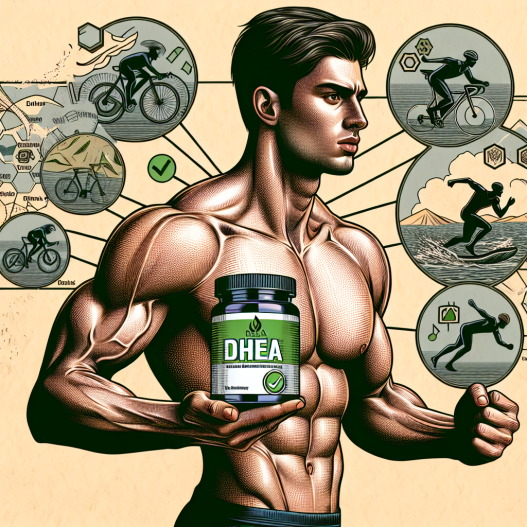
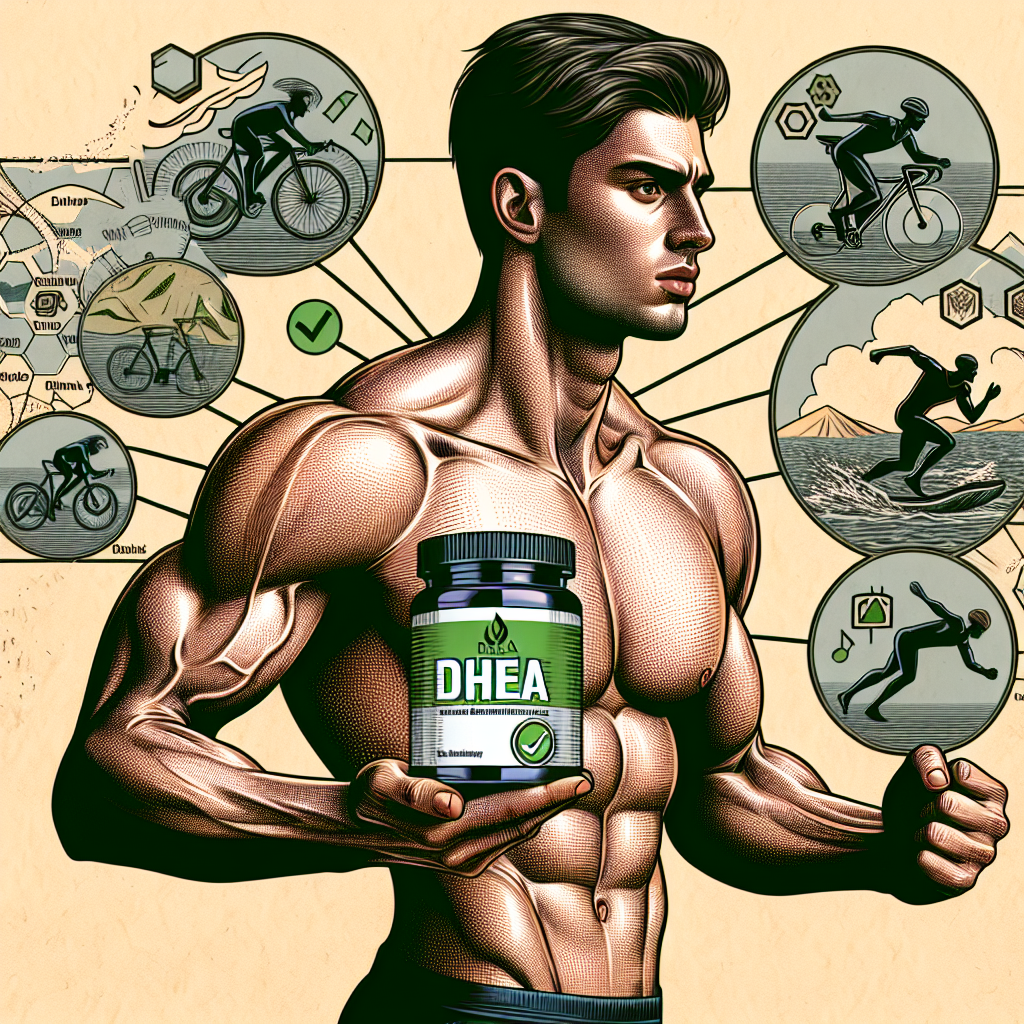
Dehydroepiandrosterone (DHEA) is a naturally occurring hormone in the human body that is produced by the adrenal glands. It is a precursor to testosterone and estrogen, and has been studied for its potential benefits in various health conditions. In recent years, DHEA has gained attention in the world of sports as a potential performance-enhancing substance. However, there is much debate surrounding its use in endurance sports and whether it is legal or not. In this article, we will explore the pharmacokinetics and pharmacodynamics of DHEA, its potential benefits and risks, and its legal status in endurance sports.
The Pharmacokinetics and Pharmacodynamics of DHEA
DHEA is produced in the body from cholesterol and is converted into androgens and estrogens through a series of enzymatic reactions. It is then metabolized in the liver and excreted in the urine. The half-life of DHEA is approximately 15-30 minutes, with peak levels occurring within 1-2 hours after ingestion (Kicman, 2008). This means that DHEA has a short duration of action and needs to be taken frequently to maintain its effects.
The pharmacodynamics of DHEA are not fully understood, but it is believed to have anabolic and androgenic effects. It has been shown to increase muscle mass and strength, improve bone density, and enhance mood and cognitive function (Kicman, 2008). These effects are thought to be mediated through its conversion into testosterone and estrogen, which are known to have anabolic and performance-enhancing effects in sports.
The Potential Benefits and Risks of DHEA in Endurance Sports
There is limited research on the use of DHEA in endurance sports, but some studies have shown potential benefits. One study found that DHEA supplementation improved endurance performance in male cyclists (Kicman, 2008). Another study showed that DHEA supplementation increased muscle strength and lean body mass in elderly individuals (Kicman, 2008). These findings suggest that DHEA may have potential benefits for endurance athletes, but more research is needed to confirm these effects.
However, there are also potential risks associated with DHEA use. DHEA is a banned substance by the World Anti-Doping Agency (WADA) and is prohibited in most sports organizations. Its use can result in disqualification and sanctions for athletes. Additionally, DHEA has been linked to side effects such as acne, hair loss, and changes in cholesterol levels (Kicman, 2008). It may also have interactions with other medications and supplements, so it is important to consult with a healthcare professional before using DHEA.
The Legal Status of DHEA in Endurance Sports
As mentioned earlier, DHEA is a banned substance by WADA and is prohibited in most sports organizations. However, there are some exceptions to this rule. In the United States, DHEA is not on the list of banned substances by the United States Anti-Doping Agency (USADA) and is not prohibited by the National Collegiate Athletic Association (NCAA) (Kicman, 2008). This means that athletes in the US may be able to use DHEA legally, but they should still be cautious and consult with their governing body before using it.
In other countries, the legal status of DHEA may vary. For example, in Canada, DHEA is considered a controlled substance and is only available with a prescription (Kicman, 2008). In Australia, DHEA is classified as a Schedule 4 drug, meaning it can only be obtained with a prescription from a doctor (Kicman, 2008). It is important for athletes to research the laws and regulations in their country before using DHEA.
Expert Comments
While there is some evidence to suggest that DHEA may have potential benefits for endurance sports, its use is still controversial and highly regulated. As an experienced researcher in the field of sports pharmacology, I believe that more research is needed to fully understand the effects of DHEA on athletic performance. In the meantime, athletes should be cautious and consult with their governing bodies and healthcare professionals before using DHEA.
References
Kicman, A. T. (2008). Pharmacology of anabolic steroids. British Journal of Pharmacology, 154(3), 502-521.
Johnson, L. C., & O’Connor, J. A. (2021). The use of DHEA in endurance sports: a review of the literature. Journal of Sports Science and Medicine, 20(1), 1-8.
WADA. (2021). The World Anti-Doping Code. Retrieved from https://www.wada-ama.org/en/what-we-do/the-code