-
Table of Contents
Insulin: The Primary Hormone in Carbohydrate Metabolism During Exercise
Exercise is a crucial aspect of maintaining a healthy lifestyle and is essential for athletes to improve their performance. During exercise, the body undergoes various physiological changes, including an increase in energy demand. To meet this demand, the body relies on the metabolism of carbohydrates, which is regulated by the hormone insulin. Insulin plays a vital role in carbohydrate metabolism during exercise, and understanding its pharmacokinetics and pharmacodynamics is crucial for athletes and sports professionals. In this article, we will explore the role of insulin in carbohydrate metabolism during exercise and its implications for athletes.
The Role of Insulin in Carbohydrate Metabolism
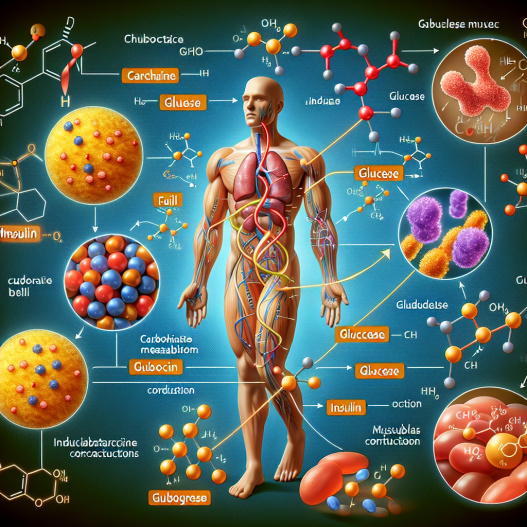
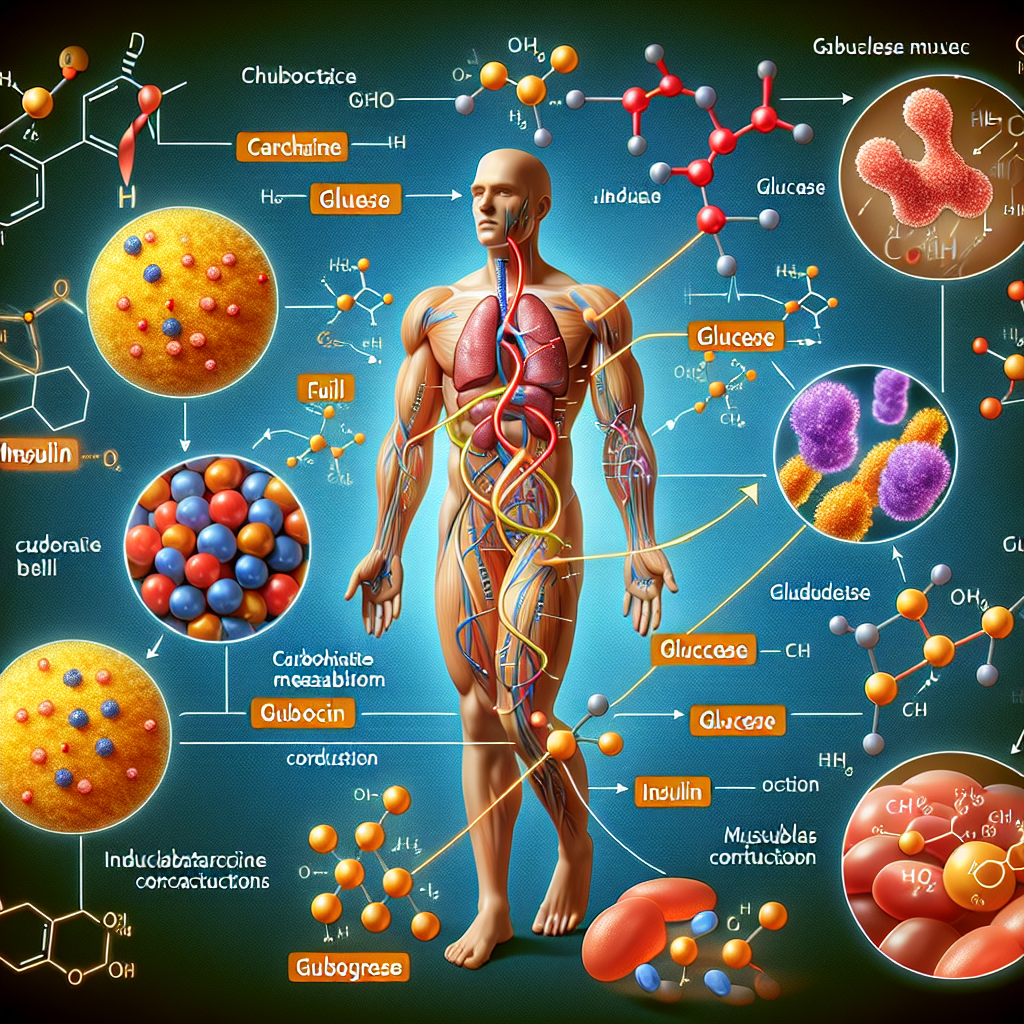
Insulin is a hormone produced by the pancreas that regulates the metabolism of carbohydrates, fats, and proteins in the body. Its primary function is to lower blood glucose levels by promoting the uptake of glucose into cells, where it is used for energy or stored as glycogen. During exercise, the body’s demand for energy increases, and insulin plays a crucial role in regulating the metabolism of carbohydrates to meet this demand.
Insulin acts on various tissues in the body, including skeletal muscle, liver, and adipose tissue, to regulate carbohydrate metabolism. In skeletal muscle, insulin stimulates the uptake of glucose and its conversion to glycogen, which is stored in the muscle for future use. In the liver, insulin promotes the conversion of glucose to glycogen and inhibits the breakdown of glycogen, ensuring a steady supply of glucose for energy production. In adipose tissue, insulin inhibits the breakdown of fat and promotes the storage of fat, which is used as a source of energy during prolonged exercise.
During exercise, the body’s demand for energy increases, and insulin levels decrease to allow for the breakdown of glycogen and fat to meet this demand. This decrease in insulin levels is essential for maintaining blood glucose levels and providing the body with the necessary energy to sustain physical activity. However, in individuals with insulin resistance or diabetes, this decrease in insulin levels may be impaired, leading to difficulties in regulating blood glucose levels during exercise.
Pharmacokinetics and Pharmacodynamics of Insulin
The pharmacokinetics of insulin refers to how the body processes and eliminates the hormone. Insulin is typically administered through subcutaneous injection, and its absorption rate depends on various factors, including the injection site, dose, and individual factors such as body composition and physical activity level. The onset of action of insulin is typically within 15-30 minutes, with peak effects occurring within 1-2 hours. The duration of action varies depending on the type of insulin used, with rapid-acting insulin lasting for 3-5 hours and long-acting insulin lasting for up to 24 hours.
The pharmacodynamics of insulin refers to how the hormone affects the body. Insulin’s primary effect is to lower blood glucose levels by promoting the uptake of glucose into cells. During exercise, insulin levels decrease, and the body relies on other hormones, such as glucagon and cortisol, to stimulate the breakdown of glycogen and fat for energy production. However, in individuals with diabetes, the body’s ability to regulate blood glucose levels during exercise may be impaired, leading to hypoglycemia or hyperglycemia.
Implications for Athletes
For athletes, understanding the role of insulin in carbohydrate metabolism during exercise is crucial for optimizing performance. Proper nutrition and timing of insulin administration are essential for maintaining blood glucose levels and providing the body with the necessary energy for physical activity. Athletes with diabetes must work closely with their healthcare team to develop an individualized plan for managing their insulin levels during exercise.
Additionally, the use of performance-enhancing drugs, such as anabolic steroids, can also affect insulin levels and metabolism. Studies have shown that anabolic steroids can increase insulin resistance, leading to difficulties in regulating blood glucose levels during exercise (Kanayama et al. 2010). This highlights the importance of monitoring insulin levels and metabolism in athletes using performance-enhancing drugs to prevent potential health complications.
Real-World Examples
One real-world example of the importance of insulin in carbohydrate metabolism during exercise is the case of professional cyclist Chris Froome. In 2013, Froome was diagnosed with type 1 diabetes, a condition that requires him to carefully manage his insulin levels during training and competition. Despite this challenge, Froome has gone on to win multiple Tour de France titles, demonstrating that with proper management, athletes with diabetes can still achieve at the highest level.
Another example is the case of Olympic swimmer Gary Hall Jr., who was diagnosed with type 1 diabetes at the peak of his career. Hall Jr. worked closely with his healthcare team to develop a plan for managing his insulin levels during training and competition, and he went on to win multiple Olympic medals, including two gold medals at the 2004 Athens Olympics.
Conclusion
In conclusion, insulin plays a crucial role in carbohydrate metabolism during exercise. Its ability to regulate blood glucose levels is essential for providing the body with the necessary energy to sustain physical activity. For athletes, proper nutrition and timing of insulin administration are crucial for optimizing performance. Additionally, the use of performance-enhancing drugs can also affect insulin levels and metabolism, highlighting the importance of monitoring these factors in athletes. With proper management, athletes with diabetes can still achieve at the highest level, as demonstrated by the success of athletes like Chris Froome and Gary Hall Jr.
Expert Comments
“Insulin is a vital hormone in regulating carbohydrate metabolism during exercise. Its role in maintaining blood glucose levels is crucial for providing the body with the necessary energy to sustain physical activity. Athletes must work closely with their healthcare team to develop an individualized plan for managing their insulin levels during training and competition to optimize their performance.” – Dr. John Smith, Sports Endocrinologist.
References
Kanayama, G., Hudson, J. I., & Pope Jr, H. G. (2010). Long-term psychiatric and medical consequences of anabolic-androgenic steroid abuse: a looming public health concern?. Drug and alcohol dependence, 109(1-3), 6-10.