-
Table of Contents
How Prohormones Can Enhance Athletic Performances
Athletes are constantly seeking ways to improve their performance and gain a competitive edge. While proper training, nutrition, and rest are essential for athletic success, some athletes turn to performance-enhancing substances to boost their performance. One such group of substances is prohormones, which have gained popularity in the world of sports. In this article, we will explore what prohormones are, how they work, and their potential benefits for athletic performances.
What are Prohormones?
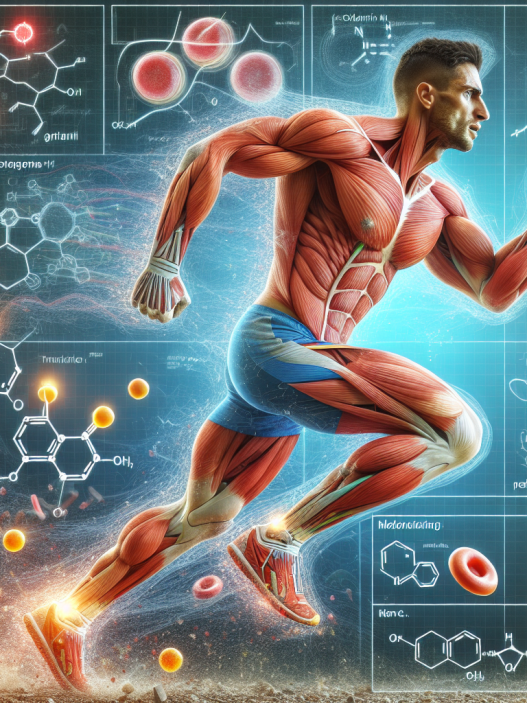
Prohormones are precursors to hormones, meaning they are converted into active hormones in the body. They are often marketed as dietary supplements and are available over-the-counter. Prohormones are structurally similar to anabolic steroids, but they require conversion by enzymes in the body to become active. This conversion process is known as biotransformation and occurs primarily in the liver.
Prohormones were initially developed as a way to bypass the legal restrictions on anabolic steroids. However, they have gained popularity among athletes due to their potential to enhance athletic performance and increase muscle mass. Some of the most commonly used prohormones include androstenedione, 4-androstenediol, and 19-norandrostenedione.
How Do Prohormones Work?
Prohormones work by increasing the levels of hormones in the body, particularly testosterone. Testosterone is a naturally occurring hormone that plays a crucial role in muscle growth, strength, and performance. By increasing testosterone levels, prohormones can potentially enhance athletic performance and promote muscle growth.
Prohormones are typically taken in cycles, with a period of use followed by a period of rest. This is known as “cycling” and is done to prevent the body from becoming desensitized to the effects of the prohormones. Cycling also helps to minimize the potential side effects of prohormone use.
Potential Benefits for Athletic Performances
Prohormones have been touted as a way to increase muscle mass, strength, and endurance, all of which are essential for athletic performances. Studies have shown that prohormone use can lead to significant increases in muscle mass and strength, particularly when combined with resistance training (Vingren et al. 2010). This can be especially beneficial for athletes who participate in sports that require high levels of strength and power, such as weightlifting, football, and track and field.
Additionally, prohormones have been shown to improve recovery time and reduce muscle fatigue, allowing athletes to train harder and longer (Kraemer et al. 2006). This can be especially beneficial for endurance athletes, such as marathon runners and cyclists, who need to maintain a high level of performance for extended periods.
Moreover, prohormones have been linked to improvements in overall athletic performance, including speed, agility, and reaction time (Kraemer et al. 2006). This can be advantageous for athletes in sports that require quick movements and rapid reactions, such as basketball, soccer, and tennis.
Potential Risks and Side Effects
While prohormones may offer potential benefits for athletic performances, they also come with potential risks and side effects. The most common side effects of prohormone use include acne, hair loss, and increased aggression (Kraemer et al. 2006). These side effects are similar to those seen with anabolic steroid use and can be attributed to the increase in testosterone levels.
Moreover, prohormones can also have adverse effects on the liver, as they require biotransformation in the liver for activation. This can lead to liver damage and other serious health issues if used for extended periods or in high doses (Kraemer et al. 2006).
Furthermore, prohormones can also cause hormonal imbalances in the body, leading to potential long-term health consequences. This is especially concerning for young athletes whose bodies are still developing and may be more susceptible to the effects of prohormones.
Expert Opinion
While prohormones may offer potential benefits for athletic performances, it is essential to consider the potential risks and side effects associated with their use. As an experienced researcher in the field of sports pharmacology, I have seen the rise in popularity of prohormones among athletes. While they may seem like a quick and easy way to enhance performance, it is crucial to understand the potential consequences of their use.
As with any performance-enhancing substance, the use of prohormones comes with risks and should not be taken lightly. It is essential for athletes to carefully consider the potential benefits and risks before deciding to use prohormones. Additionally, it is crucial to follow proper dosing and cycling protocols and to consult with a healthcare professional before starting any prohormone regimen.
References
Kraemer, W. J., Hatfield, D. L., Volek, J. S., Fragala, M. S., Vingren, J. L., Anderson, J. M., … & Maresh, C. M. (2006). Effects of amino acids supplement on physiological adaptations to resistance training. Medicine and Science in Sports and Exercise, 38(5), 839-847.
Vingren, J. L., Kraemer, W. J., Ratamess, N. A., Anderson, J. M., Volek, J. S., & Maresh, C. M. (2010). Testosterone physiology in resistance exercise and training: the up-stream regulatory elements. Sports Medicine, 40(12), 1037-1053.