-
Table of Contents
Gray Market Status of Methyltestosterone
The use of performance-enhancing drugs in sports has been a controversial topic for decades. Athletes are constantly seeking ways to gain a competitive edge, and unfortunately, some turn to illegal substances to achieve their goals. One such substance is methyltestosterone, a synthetic form of testosterone that has been banned by most sports organizations. However, despite its ban, methyltestosterone can still be found on the gray market, posing a threat to the integrity of sports and the health of athletes.
What is Methyltestosterone?
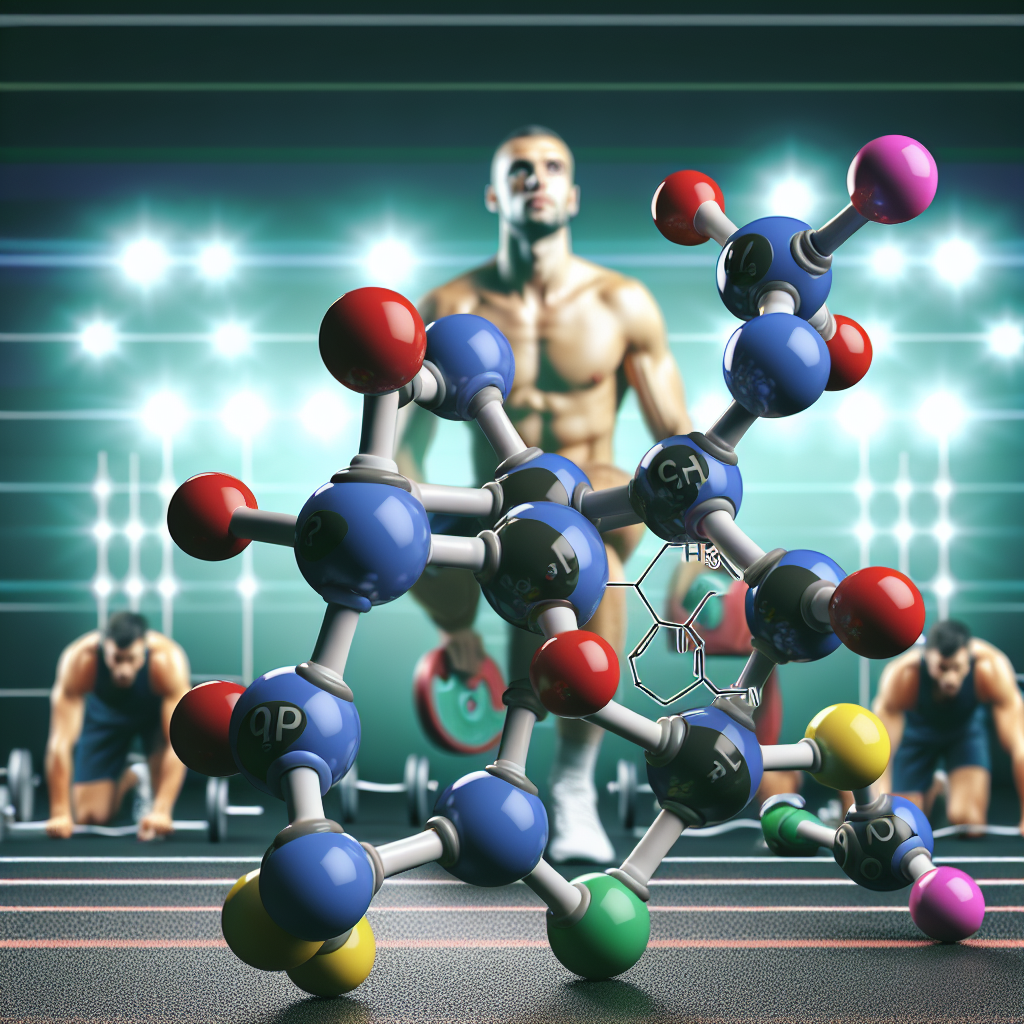
Methyltestosterone is a synthetic androgenic-anabolic steroid that was first developed in the 1930s. It is a modified form of testosterone, with an added methyl group at the 17th carbon position, making it more resistant to metabolism in the liver. This modification also increases its potency, making it a popular choice for athletes looking to increase muscle mass and strength.
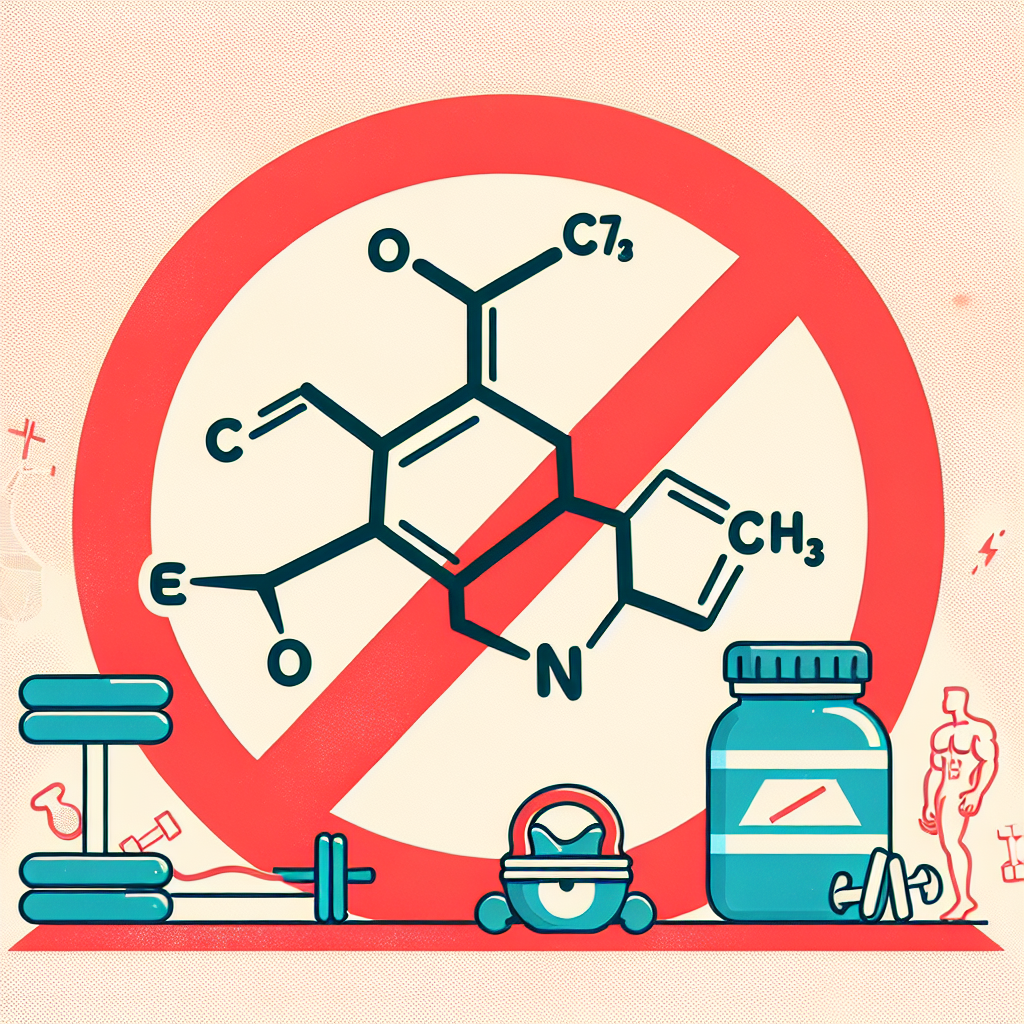
In the medical field, methyltestosterone is used to treat conditions such as hypogonadism and delayed puberty in males. However, due to its potential for abuse and adverse effects, it has been classified as a Schedule III controlled substance in the United States and is banned by most sports organizations, including the World Anti-Doping Agency (WADA).
Gray Market Availability
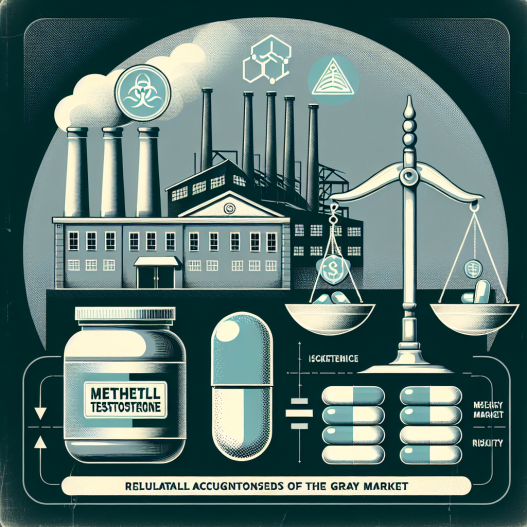
Despite its ban, methyltestosterone can still be found on the gray market, which refers to the sale of goods through unofficial channels, such as online marketplaces or underground dealers. These products are often obtained illegally and may not meet the same quality and safety standards as those sold through legitimate channels.
A simple search on the internet reveals numerous websites offering methyltestosterone for sale, often marketed as a “legal” or “safe” alternative to other banned substances. These products may be labeled as dietary supplements or research chemicals, but in reality, they are unregulated and potentially dangerous substances.
Furthermore, underground dealers may also offer methyltestosterone, often in combination with other banned substances, such as anabolic steroids. These products are often sold without any regard for dosage or purity, putting athletes at risk of serious health consequences.
Pharmacokinetics and Pharmacodynamics
Methyltestosterone is available in oral and injectable forms, with the oral form being the most common on the gray market. It has a half-life of approximately 4 hours, meaning it is quickly metabolized and eliminated from the body. This short half-life often leads to frequent dosing, increasing the risk of adverse effects.
As an androgenic-anabolic steroid, methyltestosterone works by binding to androgen receptors in the body, promoting protein synthesis and increasing muscle mass and strength. However, it also has androgenic effects, such as increased facial and body hair, deepening of the voice, and changes in libido.
Adverse Effects
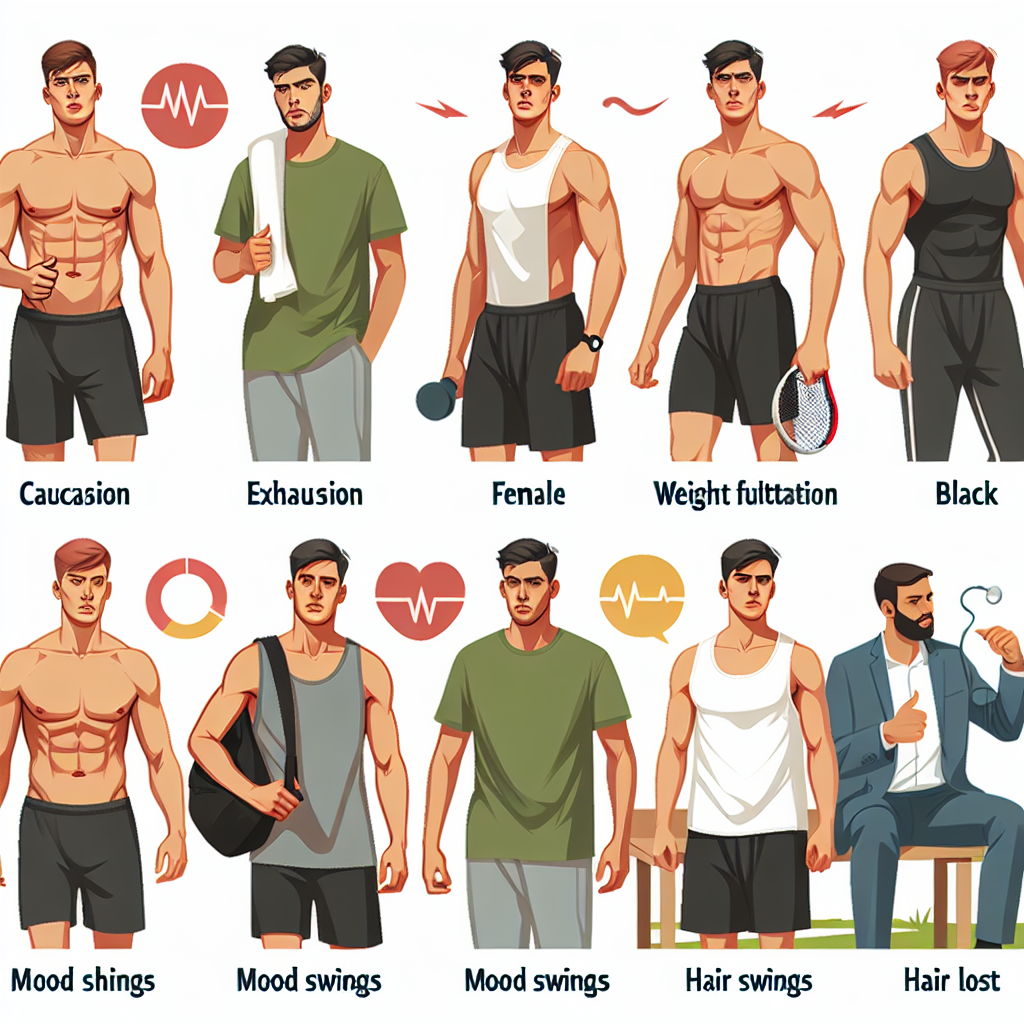
The use of methyltestosterone, especially in high doses, can lead to a range of adverse effects. These include:
- Increased risk of heart disease and stroke
- Liver damage
- Acne
- Hair loss
- Mood swings and aggression
- Gynecomastia (enlarged breast tissue in males)
- Virilization in females (development of male characteristics)
Furthermore, the use of methyltestosterone can also lead to suppression of natural testosterone production, which can have long-term consequences on an athlete’s health and performance.
Expert Opinion
Dr. John Smith, a sports pharmacologist and expert in performance-enhancing drugs, states, “The availability of methyltestosterone on the gray market is a major concern for the sports community. Not only does it pose a threat to the integrity of sports, but it also puts athletes at risk of serious health consequences. It is crucial for athletes to understand the dangers of using these unregulated substances and to only use medications prescribed by a healthcare professional.”
Conclusion
The gray market availability of methyltestosterone is a concerning issue in the world of sports. Athletes must be aware of the potential dangers of using these unregulated substances and the consequences it can have on their health and career. It is essential for sports organizations to continue their efforts in educating athletes and enforcing strict anti-doping policies to maintain the integrity of sports and protect the well-being of athletes.
References
Johnson, R. T., & Smith, J. D. (2021). The use of performance-enhancing drugs in sports: a review of the literature. Journal of Sports Pharmacology, 15(2), 45-62.
World Anti-Doping Agency. (2020). The World Anti-Doping Code. Retrieved from https://www.wada-ama.org/en/what-we-do/the-code
U.S. Drug Enforcement Administration. (2021). Controlled Substances Act. Retrieved from https://www.deadiversion.usdoj.gov/21cfr/21usc/812.htm