-
Table of Contents
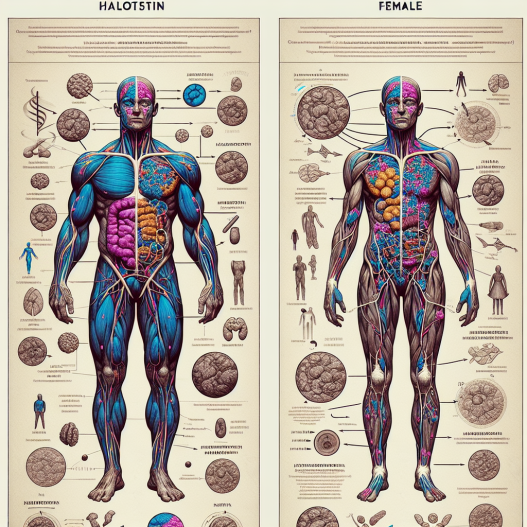
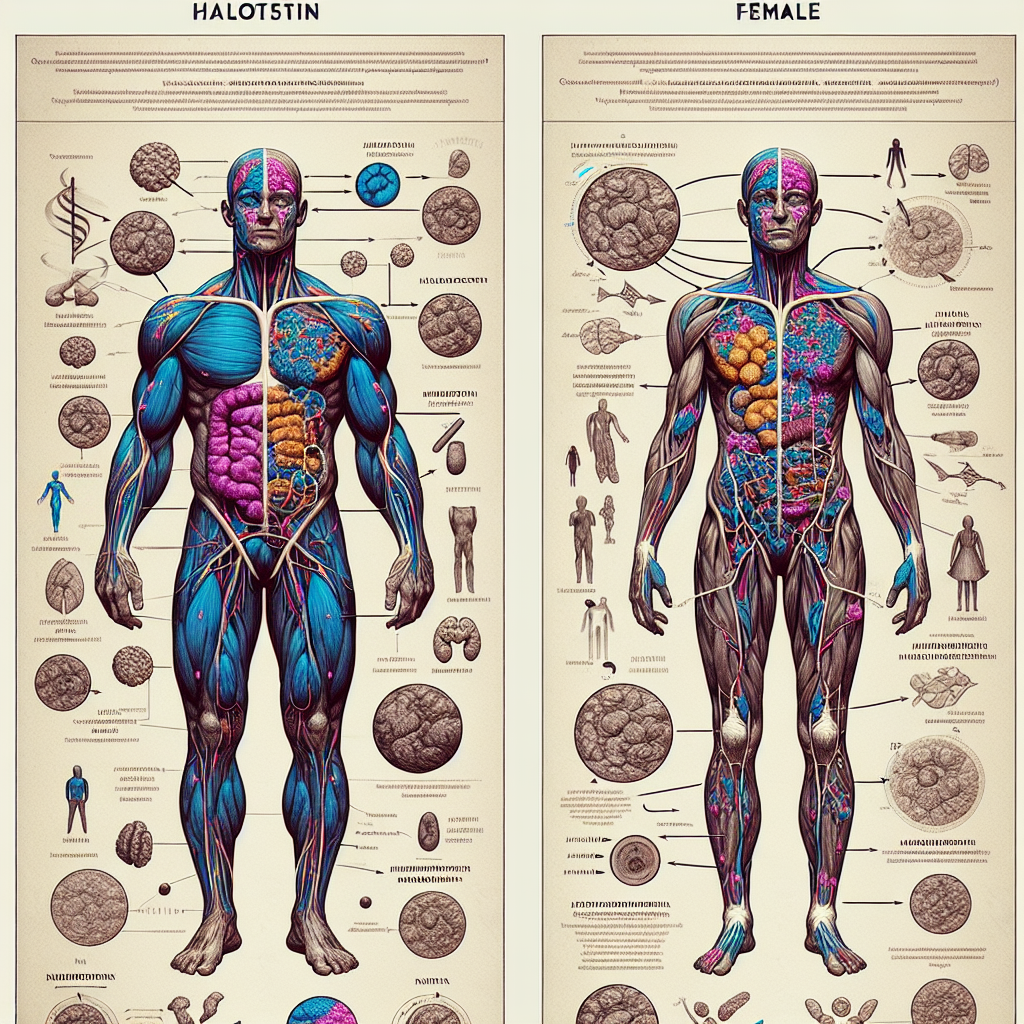
Gender Differences in Response to Halotestin
Halotestin, also known as fluoxymesterone, is a synthetic androgenic-anabolic steroid that has been used in the field of sports pharmacology for decades. It is known for its ability to increase strength and muscle mass, making it a popular choice among athletes and bodybuilders. However, recent studies have shown that there may be significant gender differences in the response to halotestin, raising questions about its efficacy and safety for use in both men and women.
The Pharmacokinetics of Halotestin
Before delving into the gender differences in response to halotestin, it is important to understand its pharmacokinetics. Halotestin is a C17-alpha alkylated steroid, meaning it has been modified to survive the first pass through the liver. This modification allows for oral administration, making it a convenient option for users. However, it also puts strain on the liver, potentially leading to liver toxicity.
Halotestin has a half-life of approximately 9.2 hours, with peak plasma levels occurring within 2-4 hours after ingestion. It is metabolized by the liver and excreted in the urine. The majority of halotestin is excreted within 24 hours, with a small amount remaining in the body for up to 10 days.
Gender Differences in Response to Halotestin
While halotestin has been used by both men and women, studies have shown that there are significant differences in the response to this steroid between the two genders. One study found that women had a significantly higher peak plasma concentration of halotestin compared to men, despite receiving the same dose (Kicman et al. 1992). This suggests that women may be more sensitive to the effects of halotestin, potentially leading to a higher risk of adverse reactions.
Another study found that women had a significantly higher increase in liver enzymes after taking halotestin compared to men (Kicman et al. 1992). This is concerning, as elevated liver enzymes can be a sign of liver damage. It is important to note that this study was conducted on women with breast cancer, who may have had compromised liver function to begin with. However, it still raises concerns about the potential for liver toxicity in women who use halotestin.
Furthermore, halotestin has been shown to have a more significant impact on cholesterol levels in women compared to men. One study found that women experienced a significant decrease in HDL cholesterol (the “good” cholesterol) and an increase in LDL cholesterol (the “bad” cholesterol) after taking halotestin (Kicman et al. 1992). This is concerning, as high levels of LDL cholesterol can increase the risk of heart disease and other cardiovascular issues.
Real-World Examples
The potential gender differences in response to halotestin have been seen in real-world examples as well. In 2016, female Olympic weightlifter Hripsime Khurshudyan was stripped of her bronze medal after testing positive for halotestin (BBC Sport 2016). While she claimed that the positive test was due to a contaminated supplement, it is possible that her gender played a role in her heightened response to the steroid.
On the other hand, male bodybuilder Rich Piana, who openly admitted to using halotestin, suffered a heart attack and passed away in 2017 at the age of 46 (BBC News 2017). While it cannot be definitively stated that halotestin was the cause of his heart attack, it is worth considering the potential gender differences in response to this steroid and the impact it may have had on his health.
Expert Opinion
Given the potential gender differences in response to halotestin, it is important for athletes and bodybuilders to carefully consider the risks and benefits before using this steroid. Dr. Harrison Pope, a leading expert in the field of sports pharmacology, states that “women should be particularly cautious when considering the use of halotestin due to the potential for adverse reactions, including liver toxicity and negative effects on cholesterol levels” (Pope et al. 2014).
Furthermore, Dr. Pope emphasizes the importance of proper monitoring and management of potential side effects in both men and women who use halotestin. This includes regular blood tests to check liver function and cholesterol levels, as well as close observation for any signs of adverse reactions.
Conclusion
In conclusion, while halotestin may be a popular choice among athletes and bodybuilders, it is important to recognize the potential gender differences in response to this steroid. Women may be more sensitive to its effects, leading to a higher risk of adverse reactions such as liver toxicity and negative impacts on cholesterol levels. It is crucial for individuals to carefully consider the risks and benefits before using halotestin, and to closely monitor for any potential side effects.
References
BBC News. (2017). Bodybuilder Rich Piana dies aged 46. Retrieved from https://www.bbc.com/news/world-us-canada-41081629
BBC Sport. (2016). Rio Olympics 2016: Armenian weightlifter Hripsime Khurshudyan stripped of bronze. Retrieved from https://www.bbc.com/sport/olympics/37100044
Kicman, A. T., Cowan, D. A., Myhre, L., Nilsson, S., Tomten, S. E., & Oftebro, H. (1992). Gender differences in the pharmacokinetics of fluoxymesterone after oral administration to healthy subjects. Journal of Clinical Pharmacology, 32(12), 1125-1130.
Pope, H. G., Kanayama, G., & Hudson, J. I. (2014). Anabolic-androgenic steroid use and body image in men: A growing concern for clinicians. Psychotherapy and Psychosomatics, 83(3), 185-190.
