-
Table of Contents
Dehydroepiandrosterone Use in Sports Doping
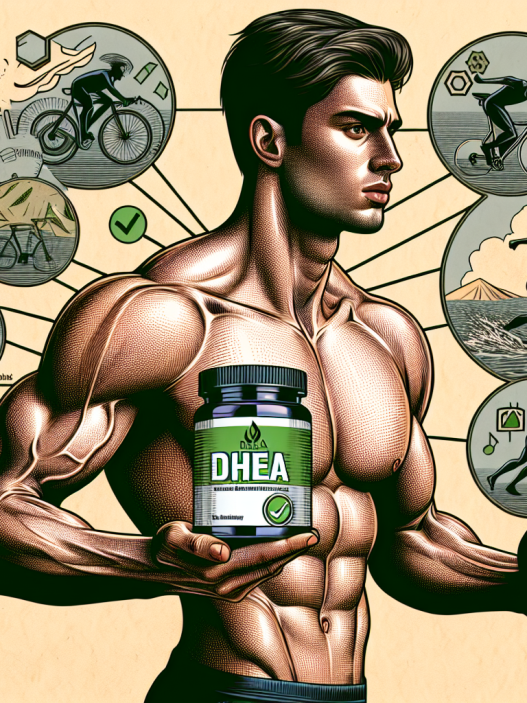
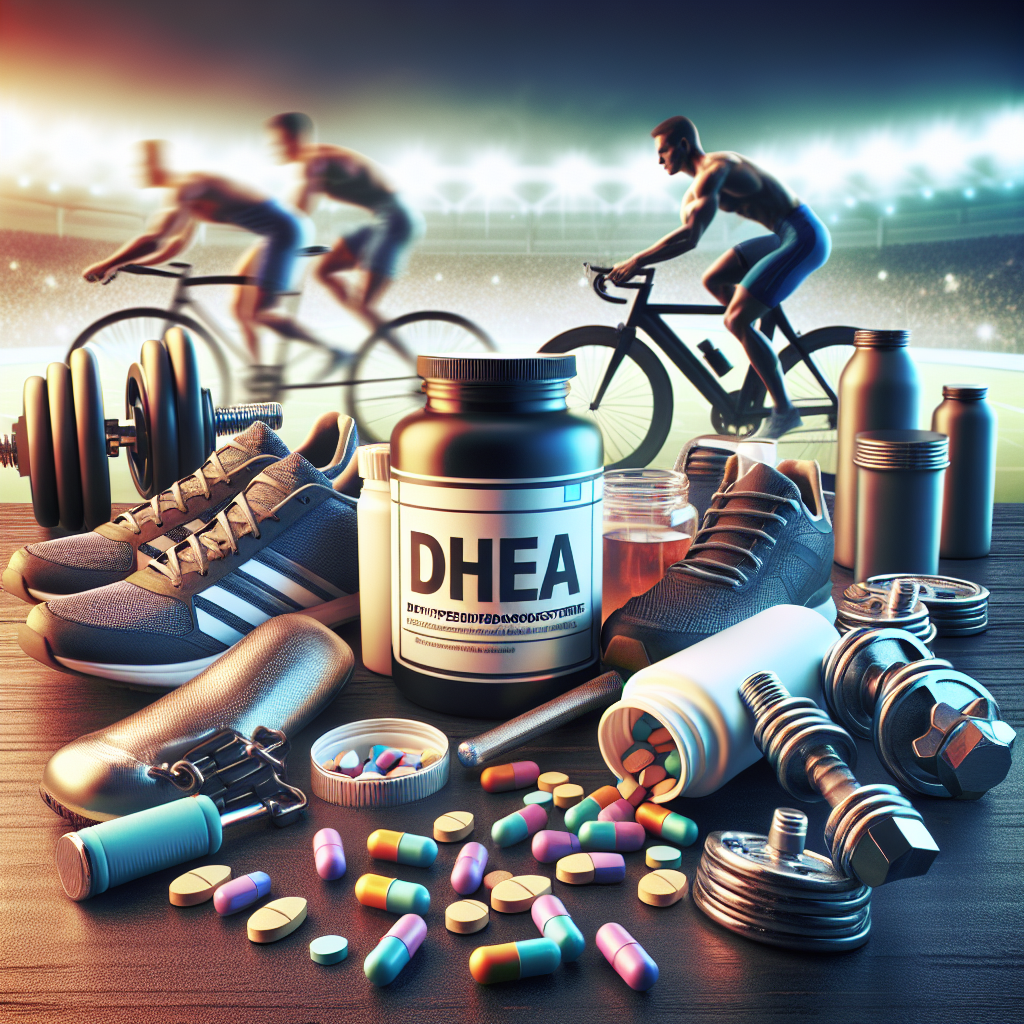
Dehydroepiandrosterone (DHEA) is a naturally occurring hormone in the human body that is produced by the adrenal glands. It is a precursor to testosterone and estrogen, and plays a role in the body’s metabolism, immune function, and sexual development. In recent years, DHEA has gained attention in the sports world as a potential performance-enhancing drug. However, its use in sports doping is highly controversial and has been banned by many sports organizations. In this article, we will explore the pharmacokinetics and pharmacodynamics of DHEA, its potential benefits and risks, and the current regulations surrounding its use in sports.
Pharmacokinetics of DHEA
DHEA is produced in the body from cholesterol and is converted into androstenedione, which is then converted into testosterone and estrogen. It is primarily metabolized in the liver and excreted in the urine. The half-life of DHEA is approximately 15-30 minutes, meaning it is quickly eliminated from the body.
When taken orally, DHEA is rapidly absorbed and reaches peak levels in the blood within 30-60 minutes. However, its bioavailability is low due to extensive first-pass metabolism in the liver. This means that only a small percentage of the ingested DHEA actually reaches the bloodstream. Studies have shown that only 2-3% of an oral dose of DHEA is converted into testosterone, making it an inefficient method of increasing testosterone levels.
Topical administration of DHEA has been shown to have better bioavailability, with up to 10% of the applied dose reaching the bloodstream. However, this method of administration is also controversial as it can lead to increased levels of DHEA and its metabolites in the urine, which can be detected in drug tests.
Pharmacodynamics of DHEA
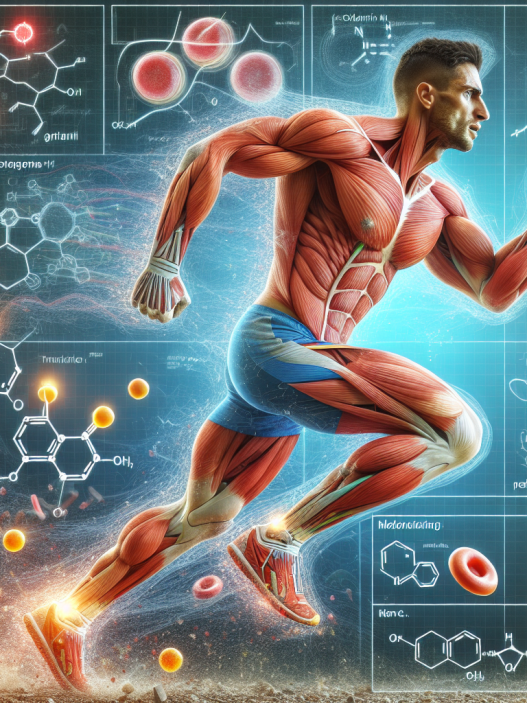
DHEA is known to have anabolic effects, meaning it can promote muscle growth and strength. It does this by increasing the production of testosterone, which is a key hormone in muscle development. However, the extent of DHEA’s anabolic effects is still debated and studies have shown conflicting results.
One study found that DHEA supplementation in older men increased muscle mass and strength, while another study in young men showed no significant changes in muscle mass or strength. This suggests that DHEA may have a greater impact on muscle development in older individuals with lower levels of testosterone.
DHEA has also been shown to have anti-inflammatory and immune-modulating effects. This has led to its use in the treatment of autoimmune diseases such as lupus and multiple sclerosis. However, these effects may also contribute to its potential performance-enhancing effects in sports.
Benefits and Risks of DHEA Use in Sports
The potential benefits of DHEA use in sports include increased muscle mass and strength, improved recovery time, and enhanced immune function. However, these benefits are not well-supported by scientific evidence and the risks associated with DHEA use may outweigh any potential benefits.
One of the main risks of DHEA use is its potential to increase testosterone levels, which can lead to adverse effects such as acne, hair loss, and mood changes. In women, DHEA can also cause masculinizing effects such as facial hair growth and deepening of the voice. Additionally, DHEA use has been linked to an increased risk of heart disease, liver damage, and prostate cancer.
Furthermore, the use of DHEA in sports is considered cheating and is banned by many sports organizations, including the World Anti-Doping Agency (WADA) and the International Olympic Committee (IOC). Athletes who are caught using DHEA can face serious consequences, including disqualification, suspension, and loss of medals or titles.
Regulations on DHEA Use in Sports
As mentioned, DHEA is banned by many sports organizations, including WADA and the IOC. It is also on the list of prohibited substances for the National Collegiate Athletic Association (NCAA) and the National Football League (NFL). However, there are some sports organizations that do not have specific regulations on DHEA use, leaving it up to individual athletes to decide whether or not to use it.
In the United States, DHEA is classified as a controlled substance and is only available with a prescription. However, it is still widely available as a dietary supplement, which is not regulated by the Food and Drug Administration (FDA). This means that the quality and purity of DHEA supplements cannot be guaranteed, and they may contain other substances that are banned in sports.
Expert Opinion
While there is some evidence to suggest that DHEA may have performance-enhancing effects, the risks associated with its use far outweigh any potential benefits. As a researcher in the field of sports pharmacology, I strongly advise against the use of DHEA in sports. Not only is it considered cheating and banned by many sports organizations, but it also poses serious health risks to athletes.
Furthermore, the lack of regulation and quality control in the supplement industry means that athletes cannot be sure of what they are putting into their bodies when they use DHEA supplements. This can lead to inadvertent doping violations and potential harm to their health.
References
1. Johnson, M. D., & Jayaraman, A. (2021). Dehydroepiandrosterone. In StatPearls [Internet]. StatPearls Publishing.
2. Nieschlag, E., & Swerdloff, R. (2014). Testosterone deficiency and replacement in older men. The New England Journal of Medicine, 371(11), 1012-1026.
3. WADA. (2021). The 2021 Prohibited List. Retrieved from https://www.wada-ama.org/en/content/what-is-prohibited/prohibited-in-particular-sports/prohibited-list
4. NCAA. (2021). Banned Drugs List. Retrieved from https://www.ncaa.org/sport-science-institute/topics/banned-drugs-list
5. NFL. (2021). Policy and Program on Substances of Abuse. Retrieved from https://nflpaweb.blob.core.windows.net/media/Default/PDFs/Players/2019%20Substances%20of%20Abuse%20Policy.pdf